
In this article
- The full guide
- When is a corneal transplant needed?
- What are the types of corneal transplant?
- Where does the donor cornea come from, and is there a waiting list?
- What happens on the day of surgery?
- What is recovery like?
- What are the risks, including rejection?
- Will my vision be normal after a transplant?
- Cost and insurance
- Key Takeaways
- Final Thoughts
- Frequently asked questions
- ગુજરાતીમાં
Written by the Mungale Eye Hospital team
Medically reviewed by Dr. Meeta Mungale, MBBS, MS (Ophthalmology), DNB · Fellowship in Cornea & Anterior Segment, L V Prasad Eye Institute, Hyderabad · Gujarat Medical Council Reg. No. G-39262 · Reviewed on 17 November 2026
Published 28 October 2026 · 6 min read
Who this page is for: Told you need a corneal transplant? When it is needed, how the four main types differ, where donor corneas come from, the waiting list, recovery and rejection signs.
Related on our site: Corneal Transplant Surgery: When It Is Needed, Types, Recovery & Risks
The full guide
Hearing that you need a corneal transplant can feel like a big step. Modern transplants often replace only the damaged layer of the cornea, and with careful follow-up many people regain useful vision. This page explains when a transplant is needed, the types, and what recovery involves.
When is a corneal transplant needed?
A transplant is considered when the cornea can no longer give clear vision and other treatments cannot help. Common reasons are:
- A scar from an old infection or injury that blocks vision
- Swelling because the inner cell layer (endothelium) has failed, as in Fuchs endothelial dystrophy or bullous keratopathy after earlier eye surgery
- Advanced keratoconus when specialty lenses no longer work or cannot be worn
- An infection that does not heal with medicines, or a cornea at risk of perforation
- A previous graft that has failed
A transplant is not usually the first option. Medicines, specialty contact lenses and cross-linking are tried first where they can help. See corneal treatments.
What are the types of corneal transplant?
The main change in corneal surgery over the last two decades is replacing only the layer that is damaged. This keeps more of your own cornea, which can mean faster recovery and a lower chance of rejection.
| Type | Layer replaced | Typical reasons | Recovery |
|---|---|---|---|
| Penetrating keratoplasty (PK) | Full thickness | Deep scars, both front and inner layers damaged | Slowest; stitches stay for months |
| Deep anterior lamellar keratoplasty (DALK) | Front layers, your inner layer kept | Keratoconus, front scars | Months; stitches; lower rejection risk |
| Descemet stripping endothelial keratoplasty (DSEK) | Inner cell layer with a thin backing | Fuchs dystrophy, corneal swelling | Weeks to months; few or no stitches |
| Descemet membrane endothelial keratoplasty (DMEK) | Inner cell layer only | Fuchs dystrophy, corneal swelling | Often the quickest visual recovery |
Mungale Eye Hospital's cornea service lists PK, DALK, DSEK and DMEK among its transplant procedures. Your cornea specialist explains which type fits your eye and why.
Where does the donor cornea come from, and is there a waiting list?
Donor corneas come from people who chose eye donation, or whose families agreed, after death. Every donor cornea is screened and tested before it is used, and there is no charge for the tissue itself.
Because supply depends on donation, there may be a waiting period, which varies with the type of surgery and tissue availability. The team will explain the expected timing honestly at your visit. To learn about pledging your eyes, see eye donation.
What happens on the day of surgery?
The eye is numbed with an anaesthetic injection or, for some patients, general anaesthesia. Surgery usually takes about one to two hours. Many patients go home the same day with a shield over the eye and a schedule of drops. After DSEK or DMEK, an air or gas bubble holds the new layer in place, so you may be asked to lie on your back for some hours.
What is recovery like?
Recovery is gradual. Vision is often blurred at first and improves over weeks after DSEK or DMEK, and over many months after PK or DALK. You will use steroid drops for a long time, often a year or more, to prevent rejection. After PK and DALK, stitches are adjusted or removed in stages, and glasses are updated as the cornea settles. Avoid rubbing or pressing the eye, protect it from injury, and keep every follow-up visit.
What are the risks, including rejection?
Risks include rejection, infection, raised eye pressure, astigmatism and, rarely, graft failure. Rejection happens when the body's immune system attacks the donor tissue. It can occur months or years later, and it is often reversible if treated early. Remember the signs as RSVP:
- Redness
- Sensitivity to light
- Vision getting worse
- Pain
Will my vision be normal after a transplant?
Many people see much better, but most still need glasses or a contact lens for their sharpest vision, especially after PK. Results depend on the reason for the transplant and on the health of the rest of the eye. The Australian Corneal Graft Registry, one of the largest long-term records, reports that full-thickness grafts for keratoconus were still clear in 94% of eyes at five years and 88% at ten years. These are population figures, not a promise for any one eye.
Cost and insurance
Cost depends on the type of transplant, donor tissue processing charges, and the medicines and visits that follow. The team gives an estimate after the evaluation, and the insurance desk can check what your policy covers. See insurance and cashless.
Key Takeaways
- A transplant is considered when scars, swelling or advanced keratoconus cannot be helped otherwise.
- Modern surgery often replaces only the damaged layer.
- Every donor cornea is screened and tested before surgery.
- Recovery takes weeks to months, with long-term drops and follow-up.
- Know the RSVP signs of rejection and act quickly.
Final Thoughts
A corneal transplant is a planned, step-by-step treatment, and understanding it helps you prepare. To discuss whether a transplant is right for your eye with Dr. Meeta Mungale at Mungale Eye Hospital, Kothi, Vadodara, call or WhatsApp +91 81400 50055, or plan your visit.
Medical Disclaimer: This page is general information. It does not replace an examination of your own eyes.
Frequently asked questions
There is no fixed wait. It depends on how many corneas are donated, the type of surgery and how urgent your case is. Urgent cases, such as an infection threatening the eye, are usually prioritised. Your cornea specialist explains the likely timing at your visit, and you are contacted when suitable donor tissue is available.
Every donor's medical history is screened and the blood is tested for infections such as HIV and hepatitis. The cornea is examined under a microscope, and its inner cells are counted before it is released. No tissue is completely risk free, so the surgeon explains the precautions taken for you.
Many transplants stay clear for ten years or more, and some last a lifetime. How long a graft lasts depends on why it was needed, the type of surgery and how well rejection is prevented. Grafts for keratoconus tend to last longer than grafts for swelling or infection. A failed graft can often be replaced.
Yes. Rejection can happen at any time, even many years after surgery, which is why follow-up continues for life. Watch for redness, light sensitivity, falling vision or pain, and call the same day if they appear. Rejection caught early is often reversed with steroid drops, so prompt care matters more than anything else.
Most people do. A new cornea is rarely perfectly curved, so glasses or a contact lens usually give the sharpest vision. After full-thickness and front-layer transplants, glasses are updated once the stitches are adjusted or removed, which can take a year or more. After DSEK and DMEK, the glasses power usually changes less.
Yes. Almost anyone can pledge to donate their eyes after death, whatever their age, blood group or eyesight, including people who wear glasses or had cataract surgery. Tell your family, because their consent is needed at the time. The eye bank must collect the eyes within a few hours of death. Call 1919 for information.
ગુજરાતીમાં
જ્યારે ડાઘ, સોજો કે વધારે કેરાટોકોનસને લીધે દવા કે લેન્સથી નજર સ્પષ્ટ ન થાય ત્યારે કોર્નિયા પ્રત્યારોપણ વિચારાય છે. ઘણી વાર ફક્ત નુકસાન થયેલું પડ જ બદલવામાં આવે છે. દાનમાં મળેલો કોર્નિયા નોંધાયેલી આઈ બેંકમાંથી આવે છે.
આંખ લાલ થાય, પ્રકાશથી તકલીફ થાય, નજર ઘટે કે દુખાવો થાય તો તે જ દિવસે ડૉક્ટરને બતાવો. ટીપાં નિયમિત નાખો અને દરેક ફૉલો-અપમાં આવો.
Related questions this page covers
- When is a corneal transplant needed?
- What are the types of corneal transplant?
- Where does the donor cornea come from, and is there a waiting list?
- What happens on the day of surgery?
- What is recovery like?
- What are the risks, including rejection?
- Will my vision be normal after a transplant?
- How long is the waiting list for a cornea in Gujarat?
- Is the donor cornea safe?
- How long does a corneal transplant last?
- Can a transplant be rejected years later?
- Will I need glasses after a corneal transplant?
- Can I donate my eyes?
Author and medical reviewer
Prepared by the Mungale Eye Hospital team. Medically reviewed and approved by Dr. Meeta Mungale, MBBS, MS (Ophthalmology), DNB, Fellowship in Cornea and Anterior Segment (L V Prasad Eye Institute, Hyderabad) · Gujarat Medical Council Reg. No. G-39262 · Last reviewed 17 November 2026
Sources
- Ambrus A, Mian SI, Viriya ET, et al. Corneal Edema and Opacification Preferred Practice Pattern. Ophthalmology. 2024;131(4):P245 to P303. doi:10.1016/j.ophtha.2023.12.039
- Australian Corneal Graft Registry. 2024 Annual Report. Flinders University, October 2024 (Kaplan-Meier graft survival: PK for keratoconus 94% at 5 years, 88% at 10 years).
- Mungale Eye Hospital website: corneal transplant post (published 28 September 2026, reviewed 3 October 2026) and Dr. Meeta Mungale's profile, for transplant types listed and the RSVP warning signs.
Reviewed by
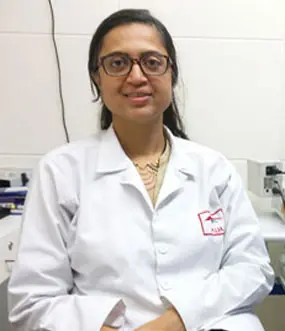
MBBS, MS (Ophthalmology), DNB · Fellowship in Cornea & Anterior Segment, L V Prasad Eye Institute, Hyderabad
Gujarat Medical Council Reg. No. G-39262
Book a consultation
2nd Floor, Vinraj Plaza, opp. Government Press, Kothi Road, Anandpura, Vadodara, Gujarat 390001
Mon - Sat, 09:00 AM - 08:00 PM · Sunday closed
Start with a conversation.
Appointments
+91 81400 50055