
Medically reviewed by Dr. Sachin Mungale, MS (Ophthalmology) · Glaucoma Fellowship, LVPEI · Gujarat Medical Council Reg. No. G-12281 · Reviewed on 3 October 2026
Published 8 January 2026 · Updated 8 January 2026
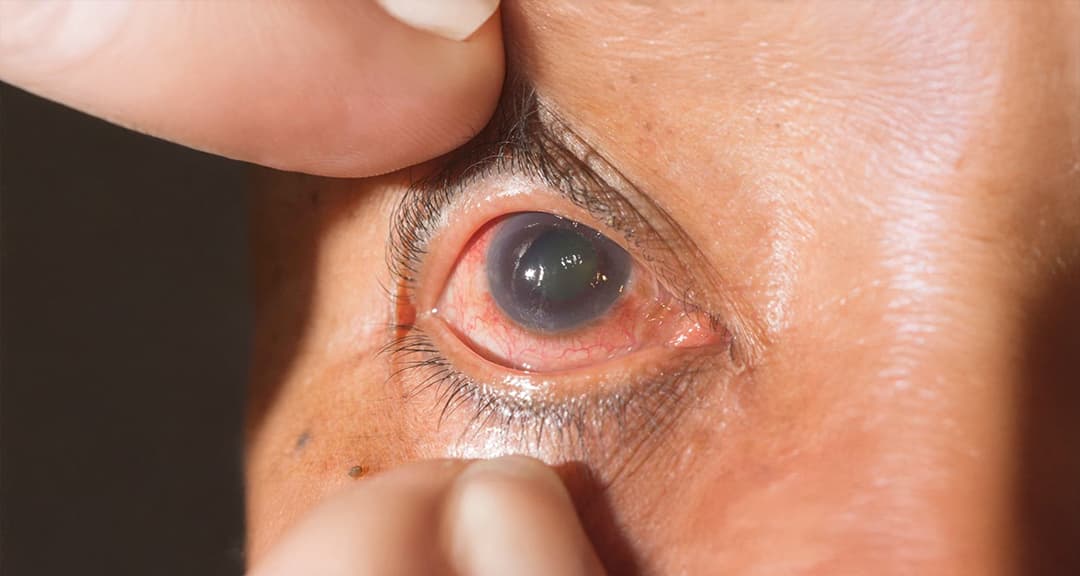
January is Glaucoma Awareness Month 2026, a critical time to spotlight one of India’s most devastating yet preventable causes of blindness. This year’s focus, “Early Detection is Key, couldn’t be more urgent.
Here’s the reality: 90% of Indians with glaucoma don’t know they have it. By the time symptoms appear, irreversible damage has already occurred. The good news? When detected early through regular eye exams, glaucoma blindness is almost entirely preventable.
Whether you’re 35 or 75, January 2026 is the right time to prioritise your eye health and take action against the “silent thief of sight.”
The Indian Glaucoma Awareness Month 2026 Crisis: Numbers That Demand Attention
Glaucoma is a group of eye diseases that damage the optic nerve, your eye’s lifeline to the brain usually due to high internal eye pressure. The damage is permanent and progressive.
Glaucoma earns its nickname because it causes no pain or early warning signs. Peripheral vision loss happens silently, and by the time symptoms are noticed, up to 40% of vision may already be gone permanently.
Who’s at Highest Risk? (India-Specific)
If even one risk factor applies to you, schedule a comprehensive dilated eye exam this month.
Common Types of Glaucoma in India
Primary Open-Angle Glaucoma (36.4%)
Primary Angle-Closure Glaucoma (34.5%)
This is more common in Indians and can become an emergency.
Seek immediate medical care if these symptoms appear.
Secondary Glaucoma (17.4%)
Why Early Detection Is Critical for India
The only reliable way to detect glaucoma early is a comprehensive dilated eye exam by an ophthalmologist.
How Glaucoma Is Diagnosed
Recommended Screening Frequency
Treatment Options
Daily medication remains the first line of treatment. Consistency is critical.
Surgical Options
Frequently Asked Questions
No. Glaucoma cannot be cured, but early treatment can stop or slow vision loss.
Because most people have no symptoms until significant, irreversible vision loss has occurred.
Yes. First-degree relatives have a 4–9x higher risk.
Not if glaucoma is detected early and treated consistently.
Most patients require lifelong monitoring and medication.
Early detection saves sight. In January 2026, make glaucoma screening a priority for yourself and your family. You cannot feel glaucoma developing. Only an eye exam can catch it in time.