
Written by the Mungale Eye Hospital team
Medically reviewed by Dr. Meeta Mungale, MBBS, MS (Ophthalmology), DNB · Fellowship in Cornea & Anterior Segment, L V Prasad Eye Institute, Hyderabad · Gujarat Medical Council Reg. No. G-39262 · Reviewed on 17 November 2026
Published 31 October 2026 · 6 min read
Who this page is for: Dry, burning or tired eyes that drops do not settle? How a dry eye evaluation and IDRA test find the cause, what happens on the day, and what the results mean for care.
Related on our site: Cornea Evaluation
The full guide
If you have tried several eye drops and your eyes still feel dry, burning or tired, the next step is not another bottle. It is finding out why your eyes are dry, because the cause decides the treatment.
Do I need a proper dry eye test?
A test is worth having if:
- Your eyes feel dry, gritty, burning or tired most days for more than a few weeks
- Lubricating drops help only for a short time, or not at all
- Your eyes water a lot, which can paradoxically be a sign of dry eye
- Your vision blurs during screen work or reading and clears when you blink
- You are planning cataract or other eye surgery, as dry eye can affect measurements
- Contact lenses have become uncomfortable
See also whether dry eye goes away for good.
What causes dry eye?
The tear film has three layers: an oily outer layer from the meibomian glands in the eyelids, a watery middle layer, and a mucus layer that helps tears stick to the eye. The TFOS DEWS II report (2017) describes dry eye as a multifactorial disease in which the tear film loses its balance, with inflammation and surface damage playing a part. It recognises two main types:
- Evaporative dry eye, where the oily layer is poor, usually because the meibomian glands are blocked or not working. This is the more common type.
- Aqueous-deficient dry eye, where the eyes do not make enough tears.
Many people have both. Common contributors include long screen hours, air conditioning, dust and heat, contact lens wear, age, hormonal changes such as menopause, diabetes, thyroid eye disease, and some medicines such as antihistamines and certain blood pressure tablets.
What does the IDRA test measure?
The IDRA is a dry eye analyser that checks several parts of the tear film in one sitting, without touching the eye.
| Measurement | What it tells the doctor |
|---|---|
| Tear meniscus height | How much tear fluid sits along the lower lid, showing tear volume |
| Lipid layer (interferometry) | How thick and even the oily layer is, which slows evaporation |
| Non-invasive tear break-up time | How long the tear film stays stable after a blink |
| Blink analysis | Whether blinks are complete, as half blinks spread tears poorly |
| Meibography | Infrared images of the oil glands, showing blocked or lost glands |
Together, these show whether the main problem is tear volume, tear quality, or both.
How is the cornea checked at the same visit?
Dry eye affects the health of the eye surface as well as comfort. On the slit lamp, the specialist looks at the eyelid margins, the oil gland openings, the lashes and the cornea. A drop of yellow dye (fluorescein) or green dye (lissamine) shows dry or damaged patches on the surface. Where needed, a Schirmer test, a small paper strip at the lower lid for five minutes, measures tear production. Checking the tear film and the cornea together shows how much the dryness is affecting the eye, which guides how active treatment needs to be. See cornea evaluation.
What happens on the day?
- Avoid eye drops for a few hours before the visit, unless your doctor has told you otherwise. Do not stop prescribed drops, such as glaucoma drops, without asking.
- Leave out contact lenses on the day if you can, and avoid eye make-up.
- Bring a list of your medicines and the eye drops you have tried.
- You answer a short symptom questionnaire, then have the IDRA scan, which takes a few minutes, and the slit-lamp examination.
A full evaluation usually takes about 20 to 40 minutes, and results are usually explained the same day.
What do the results mean?
Your specialist explains whether your dry eye looks mainly evaporative, mainly aqueous-deficient or mixed, and whether it is mild, moderate or severe. The meibography images and staining pictures help you see what is happening. A low tear meniscus suggests too few tears; a short break-up time with gland loss points to oil gland disease; surface staining shows that the cornea needs protection.
What treatment follows?
Treatment is usually staged, starting simple and adding steps as needed, as the TFOS DEWS II management report and the AAO Dry Eye Syndrome Preferred Practice Pattern (2023) describe:
- Everyday habits: screen breaks, fuller blinking, avoiding direct air from fans and AC, enough water.
- Eyelid care: warm compresses and lid cleaning for blocked oil glands.
- Lubricants: preservative-free drops, gels or ointments chosen for your type.
- Anti-inflammatory drops: for moderate dry eye, under supervision.
- Gland and procedure options: treatments for meibomian gland dysfunction such as E-Eye where suitable, and punctal plugs to keep tears on the eye.
Dry eye is usually managed over time rather than settled once, and follow-up tests show how well the plan is working. See dry eye causes and treatment.
Key Takeaways
- Dry eye has two main types, and many people have both.
- The IDRA analyser checks tear volume, oil layer, stability, blinking and oil glands without touching the eye.
- A slit-lamp check shows whether the cornea is affected.
- Results guide a staged treatment plan.
Final Thoughts
A proper evaluation turns a vague complaint into a clear plan. To book a dry eye evaluation with Dr. Meeta Mungale at Mungale Eye Hospital, Kothi, Vadodara, call or WhatsApp +91 81400 50055, or plan your visit.
Medical Disclaimer: This page is general information. It does not replace an examination of your own eyes.
Frequently asked questions
No. The IDRA analyser takes images and measurements of your tear film while you look into the device, and nothing touches your eye. You simply rest your chin, look at a target and blink when asked. Some of the slit-lamp tests use a drop of dye, which may sting slightly for a moment, but none of the tests hurt.
The IDRA scan itself takes only a few minutes. With the symptom questionnaire, the slit-lamp examination, any dye tests and the discussion of results, a complete dry eye evaluation usually takes about 20 to 40 minutes. Allow extra time if you are also having other eye tests or a full eye examination on the same day.
Avoid lubricating eye drops for a few hours before the test, because they can change the tear film readings. Do not stop prescribed drops, such as glaucoma or anti-inflammatory drops, without asking your doctor first. If possible, leave out contact lenses on the day, avoid eye make-up, and bring all your drops with you.
The tear film test is most useful when the specialist can look at the results alongside a slit-lamp examination of your eyelids and cornea, because the same symptoms can have different causes. Call the hospital to ask how the dry eye evaluation is booked and whether it can be combined with your next eye check.
Outpatient tests such as dry eye analysis are often not covered by health insurance policies in India, which mainly cover hospital treatment. Some policies include outpatient benefits, so it is worth checking your own policy. The insurance desk at Mungale Eye Hospital can help you check what is covered before your visit.
Mild dry eye is mostly a comfort problem, but moderate to severe dry eye can damage the surface of the cornea, causing patches of dry cells, blurred vision and, rarely, more serious problems such as ulcers. That is why the cornea is checked at the evaluation. Treating dry eye early helps protect the eye surface.
ગુજરાતીમાં
સૂકી આંખની તપાસમાં જોવામાં આવે છે કે આંસુ ઓછા બને છે, ઝડપથી સુકાઈ જાય છે કે બંને. IDRA મશીન આંખને અડ્યા વગર આંસુના પડ, તેલના પડ, પલકારા અને તેલ ગ્રંથિની તસવીરો લે છે. સાથે સ્લિટ લેમ્પથી કોર્નિયાની પણ તપાસ થાય છે.
તપાસના થોડા કલાક પહેલાં લુબ્રિકેટિંગ ટીપાં ન નાખો, કોન્ટેક્ટ લેન્સ ન પહેરો અને આંખનો મેકઅપ ન કરો. ડૉક્ટરે આપેલાં ટીપાં પૂછ્યા વગર બંધ ન કરો.
Related questions this page covers
- Do I need a proper dry eye test?
- What causes dry eye?
- What does the IDRA test measure?
- How is the cornea checked at the same visit?
- What happens on the day?
- What do the results mean?
- What treatment follows?
- Is the IDRA test painful?
- How long does a dry eye evaluation take?
- Do I need to stop my eye drops before the test?
- Can I get my tear film checked without a full consultation?
- Is dry eye testing covered by insurance?
- Can dry eye damage my cornea?
Author and medical reviewer
Prepared by the Mungale Eye Hospital team. Medically reviewed and approved by Dr. Meeta Mungale, MBBS, MS (Ophthalmology), DNB, Fellowship in Cornea and Anterior Segment (L V Prasad Eye Institute, Hyderabad) · Gujarat Medical Council Reg. No. G-39262 · Last reviewed 17 November 2026
Sources
- Craig JP, Nichols KK, Akpek EK, et al. TFOS DEWS II Definition and Classification Report. The Ocular Surface. 2017;15(3):276 to 283.
- Jones L, Downie LE, Korb D, et al. TFOS DEWS II Management and Therapy Report. The Ocular Surface. 2017;15(3):575 to 628.
- Amescua G, Ahmad S, Cheung AY, et al. Dry Eye Syndrome Preferred Practice Pattern. Ophthalmology. 2024;131(4):P1 to P49.
- Manufacturer and trade descriptions of the IDRA ocular surface analyser (SBM Sistemi): interferometry, tear meniscus height, non-invasive break-up time and meibography.
- Mungale Eye Hospital website: equipment list (IDRA), "Dry eye tests: tear film, meibomian glands and more" post (10 October 2026), corneal treatments page (E-Eye) and Dr. Meeta Mungale's profile.
Reviewed by
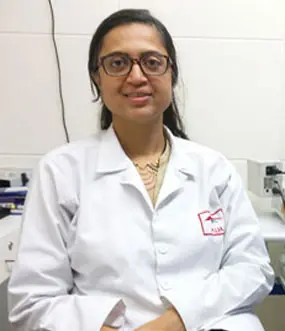
MBBS, MS (Ophthalmology), DNB · Fellowship in Cornea & Anterior Segment, L V Prasad Eye Institute, Hyderabad
Gujarat Medical Council Reg. No. G-39262
Book a consultation
2nd Floor, Vinraj Plaza, opp. Government Press, Kothi Road, Anandpura, Vadodara, Gujarat 390001
Mon - Sat, 09:00 AM - 08:00 PM · Sunday closed
Start with a conversation.
Appointments
+91 81400 50055