
Medically reviewed by Dr. Meeta Mungale, MS (Ophthalmology), DNB · Cornea Fellowship, LVPEI · Gujarat Medical Council Reg. No. G-39262 · Reviewed on 3 October 2026
Published 30 July 2025 · Updated 30 July 2025
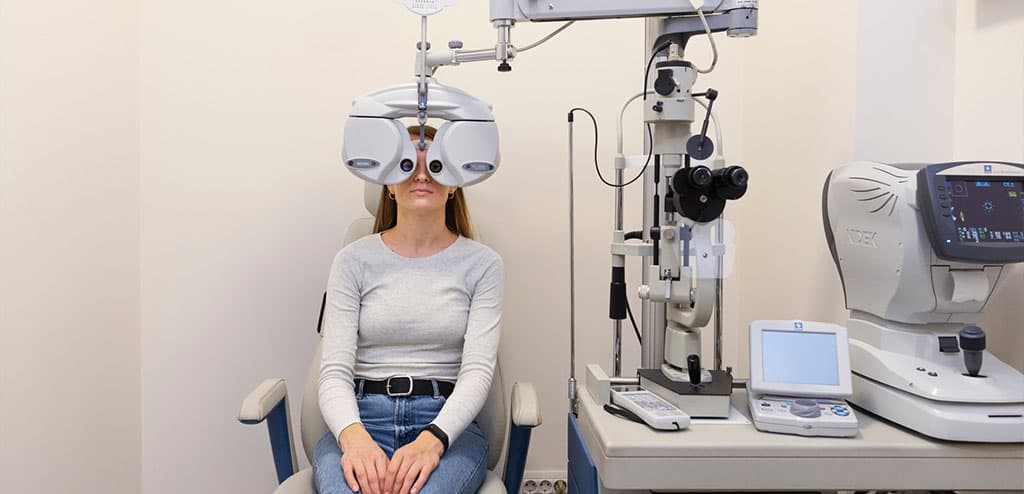
Eye Care in Vadodara, the centre of Gujarat, something is unfolding. Eye care is no longer restricted to old-fashioned surgeries or tedious waiting lists for donor tissues. Due to the devotion and skill of contemporary Eye Specialists, cutting-edge treatments previously accessible solely in big metros now reach here, transforming individuals’ view of the world, literally.
At Mungale Eye Hospital , we know just how important good eyesight is to your well-being and work, whether you’re tending a field in a rural village or in a corporate office in the city. This guide will walk you through some of the most thrilling advancements in eye care, from high-precision surgeries such as DMEK to science-fiction-like alternatives like artificial corneas and cell therapies. You’ll understand how the area is changing and what this implies for you or your loved one.
2. DMEK: A New Era in Corneal Transplants
Do you know about DMEK? It’s a mouthful: Descemet Membrane Endothelial Keratoplasty, but a very fine and precise corneal procedure.
Rather than transplanting the entire cornea, DMEK replaces only a very thin sheet of it. It’s a customized, low-rejection procedure that’s restoring clear vision much quicker than conventional full-thickness transplants.
Why DMEK is important in Vadodara:
Though it’s a sophisticated surgery , more Eye Specialists in Vadodara are now DMEK-trained, making it a safe and intelligent choice nearer to home.
3. Healing with Cells: The Future of Eye Care
Imagine repairing your eye not with surgery, but with a small injection of healing cells. That’s just what scientists are developing with Endothelial Cell Therapy.
Instead of using donor tissue, researchers cultivate special cells in a laboratory and then carefully insert them in the eye to restore transparency. The therapy is demonstrating real potential in tests worldwide.
Although it’s not yet available in the wider world, this type of cell therapy is the future, and our Vadodara Eye Specialists are eagerly awaiting its introduction here once it is approved.
4. When Donors Aren’t Available: Artificial Corneas
There are times when donor tissue isn’t an option—perhaps it’s not available, or the eye has previously rejected several grafts. In such unusual yet difficult cases, artificial corneas such as the Boston KPro or EndoArt are filling the gap.
One recent success story: a 91-year-old man in the UK regained his eyesight after an artificial implant, with just one stitch.
They’re off-the-shelf, ready-to-use. Ideal for those who can’t have conventional transplants. Already restored sight to patients following decades of blindness.
Though not yet prevalent in India, these options are increasingly available—and bring hope when all else is lost.
5. The Rise of Technology in Eye Surgery
Today’s Eye Surgeons aren’t surgeons alone—they’re technologists too.
With the assistance of AI (Artificial Intelligence), precision robotics, and real-time imaging, surgeons can now plan and execute intricate procedures with an accuracy never thought possible before.
This translates to safer surgeries, quicker recoveries, and improved outcomes—all of which are becoming the norm in Vadodara’s top hospitals.
6. Real Stories, Real Impact: Vadodara Patients See the Difference
Meena Ben, 62, from the suburbs of Vadodara, had cloudy vision due to corneal disease. She had DMEK at Mungale and was reading newspapers once again in a mere two months.
Rameshbhai, 74, had failed multiple corneal grafts. Thanks to an innovative artificial cornea implant, he can now walk safely and independently for the first time in years.
These are just a glimpse of how far we’ve come. For families across Vadodara—both in the city and in villages—these breakthroughs are more than medical advancements. They’re life changing.
7. People Also Ask (FAQ)
Yes, DMEK tends to provide quicker vision recovery, reduced risk of rejection, and improved long-term clarity.
Artificial corneas or cell therapies (yet to emerge) are available without donors.
Yes, most are already present at top eye hospitals such as Mungale Eye Hospital .
8. Summary
The Eye Specialist today is not just a physician, but a navigator to these revolutionary choices. And these choices are now accessible in Vadodara, Gujarat.