
Medically reviewed by Dr. Sachin Mungale, MS (Ophthalmology) · Glaucoma Fellowship, LVPEI · Gujarat Medical Council Reg. No. G-12281 and Dr. Meeta Mungale, MS (Ophthalmology), DNB · Cornea Fellowship, LVPEI · Gujarat Medical Council Reg. No. G-39262 · Reviewed on 3 October 2026
Published 23 March 2026 · Updated 23 March 2026
Benefits of Cataract Surgery for Better Vision in Daily Life
Cataracts rarely announce themselves. They creep in quietly. One day you realise the headlights on the road seem a little too sharp. Reading the newspaper takes a bit longer than it used to. Your favourite blue shirt doesn’t look quite as blue anymore. You wipe your glasses, then wipe them again, but something still feels off.
That slow change is why cataract surgery often ends up meaning more to people than they expect. It isn’t just a procedure on a calendar. For a lot of people, it’s the moment ordinary life starts feeling like itself again.
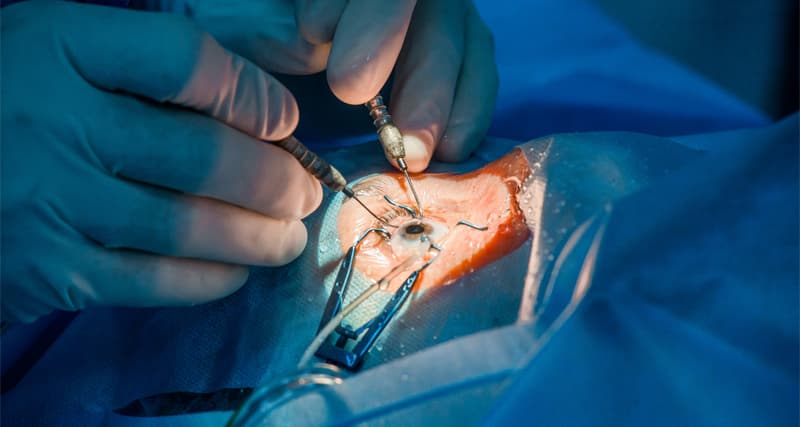
Here’s what actually happens: the cloudy natural lens inside the eye is removed and replaced with a clear artificial one. That’s the medical part. The human part is everything that follows the confidence that comes back, the small daily frustrations that quietly disappear, the sense of freedom that returns when you’re not squinting through a haze anymore.
Everyday Tasks Feel Clearer Again
The first thing most people notice after surgery is that the world looks sharper. The fog lifts. Things that had slowly gone dull start to look like themselves again.
And honestly, that shows up in the smallest moments. Reading a message on your phone without tilting it under a light. Spotting a friend across a room. Watching TV without leaning forward. Reading the back of a medicine strip without holding it at arm’s length.
People often describe it the same way like someone peeled a thin film off their eyes. The world isn’t new. It’s just clear again.
Colours Look Right Again
One thing cataracts do, almost without you realising, is drain the colour out of everything. Whites start looking a bit yellow. Blues go flat. The little details you used to pick up without thinking they fade into the background.
After surgery, this is often the part that surprises people the most. Clothes seem brighter. Sunlight feels clean instead of hazy. Places you’ve walked through a hundred times suddenly look more alive.
It sounds like a small thing. But when colour comes back, so does a bit of joy in looking around.
Glare Stops Being a Problem, Especially at Night
If you’ve been driving at night with cataracts, you already know the feeling. Headlights scatter in ways they shouldn’t. Streetlights grow halos. Even a bright afternoon can feel harsher than it should.
That’s usually the point where people stop driving after dark. Some stop going out in the evening altogether. Not because they want to because it’s genuinely uncomfortable.
Surgery tends to quiet a lot of that down. Every eye heals a bit differently, but most people find that lights start behaving normally again. Night drives, evening walks, brightly lit shops all of it gets easier.
Reading and Screens Stop Being Exhausting
Blurry vision doesn’t just make things harder to see. It wears you out. Your eyes are doing extra work all day, and you don’t notice until you put the book down and realise how tired you are.
Before surgery, things like flipping through a newspaper, checking a bill, or scrolling through your phone can start feeling like chores. Not because you don’t want to do them your eyes are just worn out.
Afterwards, most people find they can settle into these things again. Reading for a while. Replying to messages without squinting. Spending time on close-up work without that familiar ache behind the eyes.
Confidence Comes Back
This is the part people don’t mention often enough.
When your vision slips, your confidence slips with it, usually without you noticing. You start avoiding certain roads. Maybe you don’t feel like going out on your own anymore. Stairs feel trickier. Unfamiliar places feel bigger than they should. Little by little, you stop doing things you used to enjoy not by choice, but because seeing has become hard work.
Getting clear vision back changes that. You move around more easily. You feel steadier. You go where you want to go, whether that’s the market down the road or a wedding in another city. It’s a quieter benefit, but for a lot of people, it’s the biggest one.
Daily Life Just Feels Lighter
The real gift of cataract surgery is that it shows up in all the small, ordinary moments that make up a day.
Reading comfortably. Recognising a face from across the room. Moving around the kitchen without bumping into things. Watching a cricket match on TV without straining. Stepping outside without bracing against the glare. Travelling during the day or at night without second-guessing yourself.
When these little things stop being hard, life starts to feel lighter. That’s what cataract surgery is really about. Not just what you see on an eye chart but how your days actually feel.
You Might Need Glasses Less Too
The artificial lens that replaces your natural one is called an intraocular lens, or IOL. Depending on your eye and the kind of lens you choose, you might find yourself reaching for your glasses less often afterwards especially for distance vision.
This isn’t the same for everyone, and it’s worth being honest about that. Some people still need reading glasses. Others find their overall comfort improves enough that glasses feel optional for a lot of daily things. Your doctor can help you figure out what’s likely for your eyes.
When Will You Notice the Difference?
A lot of people start seeing clearly within a few days, though the eye keeps healing in the background for several weeks. For some, the change feels sudden. For others, it builds up gradually.
How it turns out depends on a few things the overall health of your eye, the lens you and your doctor pick, and whether anything else is going on with your vision. But when cataracts are the main reason things have gone blurry, surgery usually makes a real, noticeable difference.
Signs It Might Be Time to Get Checked
You don’t need to wait until your vision gets really bad. It’s worth getting your eyes looked at if you’re noticing things like:
blurry or cloudy vision, trouble seeing at night, more glare than usual from headlights or sunlight, colours that look dull or faded, reading that’s become harder than it should be, or a glasses prescription that keeps changing every few months.
If any of that sounds familiar and it’s starting to get in the way of your day, that’s usually a good time to book an eye check-up.
Frequently Asked Questions
Clearer vision, mainly and everything that comes with it. Most people find that everyday activities feel easier once the cloudy lens is gone.
For most people, yes. Less glare, fewer halos around lights, and a more normal view of the road. It s one of the changes people mention most often.
Usually, yes. Cataracts tend to yellow or flatten colours over time, so when they re removed, things often look fresher and more natural than they have in years.
Sometimes, sometimes not. It depends on your eyes and the type of lens chosen. Many people become less dependent on glasses, but reading glasses are still common.
Many people notice a change within a few days, though full healing takes a few weeks.