
Medically reviewed by Dr. Meeta Mungale, MS (Ophthalmology), DNB · Cornea Fellowship, LVPEI · Gujarat Medical Council Reg. No. G-39262 · Reviewed on 3 October 2026
Published 26 February 2026 · Updated 26 February 2026
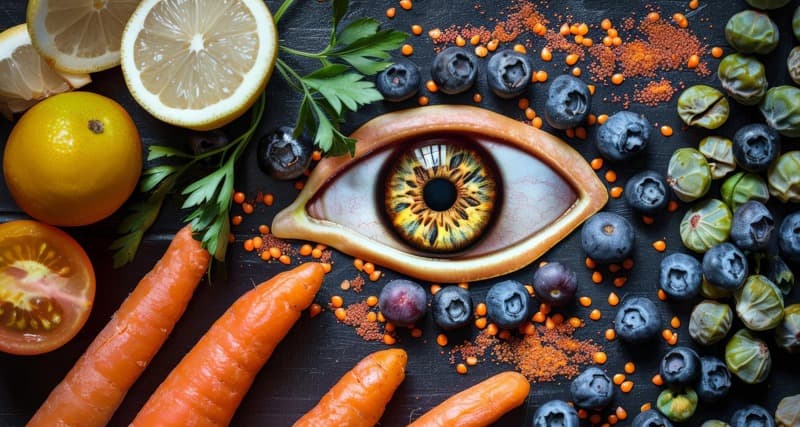
Your eyes need food just as much as your body does. And what you eat every single day—at breakfast, lunch, and dinner—is either protecting your vision or slowly eroding it.
The science is compelling: research shows that proper nutrition can reduce cataract risk by up to 40% and slow the progression of age-related macular degeneration (AMD) by 25%. (Source: Age-Related Eye Disease Study, AREDS2, National Eye Institute)
Here’s the best part for Indians: many of the most powerful vision-protecting foods are already staples in our kitchens. Palak, gajar, methi, amla, almonds, fish these aren’t exotic superfoods. They’re everyday Indian ingredients with extraordinary benefits for your eyes.
Let’s explore the 15 best foods for eye health with practical Indian meal ideas you can start using today.
The 5 Key Nutrients Your Eyes Need Daily
Before diving into the foods, understand why these nutrients matter:
Lutein & Zeaxanthin → Act as natural sunscreen for your retina, filtering harmful blue light Omega-3 Fatty Acids → Reduce inflammation, support tear production, prevent dry eyes Vitamin A (Beta-Carotene) → Essential for night vision and corneal health Vitamins C & E → Powerful antioxidants that prevent cataract formation Zinc → Helps Vitamin A produce protective eye pigment; supports night vision
15 Superfoods for Better Vision
1. Palak (Spinach) - The #1 Eye Superfood
Key nutrients: Lutein (12.2 mg/100g), Zeaxanthin, Vitamin C, Vitamin E, Beta-carotene
Palak is arguably the single most powerful food for eye health. It contains the highest concentration of lutein and zeaxanthin among all vegetables—nutrients that accumulate directly in your retina and macula, protecting them from oxidative damage.
Benefits: Reduces AMD risk, filters blue light, prevents macular degeneration How to eat it: Palak paneer, dal palak, palak paratha, palak smoothie, sautéed with garlic Daily target: 1 cup cooked spinach (covers most of your daily lutein requirement)
2. Gajar (Carrots) - The Vision Vegetable
Key nutrients: Beta-carotene (8.3 mg/100g raw), Vitamin A, Lutein
The carrot-eye connection is well-established science. Beta-carotene converts to Vitamin A in your body, essential for producing rhodopsin—the pigment that enables you to see in low light.
Benefits: Prevents night blindness, maintains corneal health, supports retinal function How to eat it: Gajar halwa (in moderation), gajar raita, raw salad, gajar juice, sabzi Daily target: 1 medium carrot provides nearly 200% of your daily Vitamin A requirement
3. Machhali (Fatty Fish) - The Omega-3 Powerhouse
Key nutrients: Omega-3 fatty acids (EPA + DHA), Vitamin D, Vitamin B12
Omega-3s are the single most important nutrient for preventing dry eyes and protecting your retina. DHA (docosahexaenoic acid) is a structural component of your retinal cells—your eyes literally cannot function properly without it.
Benefits: Prevents dry eye syndrome, supports retinal health, reduces AMD risk How to eat it: Fish curry, grilled fish, fish fry (minimize oil), fish biryani Target: 2-3 servings per week
4. Methi (Fenugreek Leaves) - The Overlooked Eye Protector
Key nutrients: Vitamin A (high), Vitamin C, Beta-carotene, Zinc, Iron
Methi is a nutritional powerhouse common in Indian cooking that deserves more credit for eye health. Its high Vitamin A and beta-carotene content make it excellent for maintaining corneal health and preventing night blindness.
Benefits: Supports corneal health, prevents Vitamin A deficiency, antioxidant protection How to eat it: Methi paratha, methi dal, methi ki sabzi, methi-stuffed bhakri Note: Also beneficial for diabetes management—indirectly protecting diabetic eyes
5. Amla (Indian Gooseberry) - Nature’s Vitamin C Bomb
Key nutrients: Vitamin C (600-700 mg/100g - 20x more than an orange), Tannins, Polyphenols
Amla contains one of the highest concentrations of Vitamin C of any food in nature. Vitamin C is a powerful antioxidant concentrated in your eye’s lens and cornea, protecting against the oxidative damage that leads to cataracts.
Benefits: Strongest cataract prevention food, reduces oxidative stress, supports collagen in cornea How to eat it: Raw amla with salt, amla juice, amla murabba, amla chutney, amla candy Daily target: 1-2 fresh amla or 20ml amla juice daily Note: Amla is particularly important for Indians, as cataract rates are high and amla is deeply accessible
6. Rajma & Chana (Kidney Beans & Chickpeas) - The Zinc Heroes
Key nutrients: Zinc (3-4 mg/100g cooked), Plant protein, Iron, Folate
Zinc plays a critical but underappreciated role in eye health. It helps Vitamin A produce melanin the protective pigment in your eyes. Zinc deficiency leads to poor night vision and increases cataract risk. For vegetarians in India, rajma and chana are among the best zinc sources available.
Benefits: Supports night vision, works with Vitamin A, reduces AMD risk How to eat it: Rajma chawal, chana curry, chana salad, hummus, chole Daily target: 1 cup cooked legumes covers 30-40% of daily zinc needs
7. Ande (Eggs) - The Bioavailable Eye Food
Key nutrients: Lutein (0.33 mg/yolk), Zeaxanthin, Vitamin D, Zinc, B12
While eggs contain less lutein than spinach in raw numbers, the lutein in egg yolk is far more bioavailable - meaning your body absorbs it more easily due to the fat content in yolks. Studies show eating eggs with leafy greens significantly increases lutein absorption.
Benefits: Excellent lutein absorption, supports retinal health, prevents macular degeneration How to eat it: Anda bhurji, boiled egg, egg curry, omelette with vegetables Target: 1 egg daily (whole egg the yolk is where all the eye nutrients are) Note: One more reason not to discard egg yolks
8. Badam (Almonds) - The Vitamin E Champion
Key nutrients: Vitamin E (25.6 mg/100g - 170% daily value), Healthy fats, Magnesium
Almonds are India’s most beloved nutand fortunately, one of the best for your eyes. Vitamin E is a fat-soluble antioxidant that protects your eye cells from damage caused by free radicals and oxidative stress, directly reducing cataract risk.
Benefits: Reduces cataract risk, antioxidant protection for entire eye, anti-inflammatory How to eat it: 8-10 soaked almonds in the morning (traditional Indian practice great for absorption), almond milk, badam halwa (occasionally), mixed into smoothies Daily target: 10-12 almonds daily (roughly a small handful)
9. Haldi (Turmeric) - The Anti-Inflammatory Eye Spice
Key nutrients: Curcumin (1-3% of dry weight), Antioxidants
Curcumin, the active compound in turmeric, has powerful anti-inflammatory and antioxidant properties being studied for eye health applications including glaucoma, AMD, and dry eye disease. India’s tradition of using turmeric in daily cooking is genuinely beneficial for eye health.
Benefits: Reduces inflammation (relevant for uveitis, dry eyes), antioxidant protection, neuroprotective (may protect optic nerve) How to eat it: Add to dal, sabzi, rice, milk (haldi doodh), curries—you’re likely already consuming it Note: Curcumin is better absorbed with black pepper (piperine)—a natural combination in many Indian recipes
10. Citrus Fruits (Santara, Mosambi, Nimbu) - Vitamin C for Corneal Health
Key nutrients: Vitamin C, Flavonoids, Folate
After amla, Indian citrus fruits—oranges (santara), sweet lime (mosambi), lemons (nimbu), and grapefruits are excellent sources of Vitamin C for eye health. The lens and aqueous humour of your eye concentrate Vitamin C to protect against UV-induced damage and cataract formation.
Benefits: Cataract prevention, corneal health, reduces AMD progression How to eat it: Fresh juice (without added sugar), whole fruit, nimbu pani, fresh fruit salad Daily target: 1 orange or mosambi daily, or a glass of fresh nimbu pani
11. Akhrot (Walnuts) - Omega-3 for Vegetarians
Key nutrients: ALA Omega-3 (2.5g per 30g serving), Vitamin E, Antioxidants
For vegetarians and vegans who cannot eat fish, walnuts are the best plant-based omega-3 source available. While ALA (plant omega-3) is less potent than DHA/EPA from fish, walnuts still significantly support retinal health, reduce inflammation, and help prevent dry eyes.
Benefits: Plant-based omega-3 for vegetarians, anti-inflammatory, antioxidant protection How to eat it: Eat 4-5 walnuts daily, add to atta for chapati dough, sprinkle on kheer or salad For full vegetarians: Combine walnuts + flaxseeds + algae-based DHA supplements for complete omega-3 coverage
12. Hari Sabziyan (Green Vegetables) - Kale, Broccoli, Peas
Key nutrients: Lutein, Zeaxanthin, Vitamin C, Vitamin K, Folate
While kale isn’t traditional in Indian cooking, its close relatives broccoli, green peas, and various Indian saag varieties (mustard greens/sarson, bathua) provide excellent eye nutrients. Sarson da saag, popular in Punjab, is nutritionally comparable to kale for lutein content.
Benefits: Lutein and zeaxanthin for macular protection, Vitamin C for cataract prevention How to eat it: Sarson da saag, broccoli sabzi, matar paneer, pea pulao, mixed vegetable curry Indian substitution: Replace kale with sarson saag, bathua saag, or chaulai saag—equally nutritious
13. Kachche Beej (Seeds) - Pumpkin, Sunflower, Flaxseed
Key nutrients: Zinc (pumpkin/kaddu ke beej: 7.8 mg/100g), Vitamin E (sunflower), Omega-3 ALA (alsi/flaxseed)
Seeds are concentrated nutrition powerhouses for eye health:
Benefits: Zinc for night vision, Vitamin E for antioxidant protection, omega-3 for dry eye prevention How to eat it: Sprinkle on roti, mix into smoothies, add to chutney, eat as snacks, add ground alsi to atta Daily target: 2 tbsp mixed seeds daily
14. Shakarkandi & Arbi (Sweet Potato & Taro) - Vitamin A Champions
Key nutrients: Beta-carotene (8.3 mg/100g sweet potato), Vitamin A, Potassium
Sweet potato (shakarkandi) is one of India’s most powerful eye foods, available across the country and beloved as a winter snack. One medium sweet potato provides over 400% of your daily Vitamin A needs protecting your cornea, supporting night vision, and reducing dry eye risk.
Benefits: Night vision support, corneal health, prevents Vitamin A deficiency blindness (a significant issue in parts of India) How to eat it: Boiled shakarkandi chaat, shakarkandi in sabzi, steamed with spices Note: Pair with a small amount of ghee or oil—fat improves beta-carotene absorption significantly
15. Saffron (Kesar) - India’s Precious Eye Spice
Key nutrients: Crocin, Crocetin, Safranal (unique carotenoids)
Kesar is traditionally revered in Ayurveda for eye health and modern science is beginning to validate this. Clinical studies show saffron’s active compounds crocin and crocetin may improve retinal function, protect photoreceptors, and slow AMD progression. (Research is ongoing but early results are promising)
Benefits: Retinal protection, potential AMD-slowing effects, antioxidant and anti-inflammatory How to use it: Kesar doodh (saffron milk), add to kheer, biryani, or sweet dishes Note: A pinch daily in warm milk is a time-tested Indian tradition with genuine scientific basis
Best Foods For Eye Health Meal Plan
Daily Non-Negotiables:
Weekly Must-Haves:
Replace fish with: walnuts + ground flaxseed (alsi) + algae-based DHA supplement. This combination covers most omega-3 needs without animal products.
Foods That Harm Your Eye Health (Avoid or Limit)
While adding superfoods helps, removing harmful foods matters equally:
Refined carbohydrates (white rice, maida, sugar): Spike blood sugar, damaging retinal vessels over time worsening diabetic retinopathy risk
Fried food (daily frying in refined oil): Trans fats increase inflammation, worsening dry eye symptoms and AMD risk
Excess salt: Raises blood pressure, damaging retinal blood vessels
Excessive alcohol: Depletes zinc and B vitamins; disrupts antioxidant balance in the eye
Packaged/ultra-processed foods: High in additives, refined oils, and sugar—nutritionally empty and inflammatory
The Bottom Line: Your Kitchen is Your First Eye Clinic
The most powerful vision-protecting pharmacy isn’t at a medical store—it’s in your kitchen. The combination of palak, gajar, amla, machli, badam, haldi, and methi in a balanced Indian diet covers most of what your eyes need to stay healthy for life.
Eat leafy greens daily (palak, methi, sarson, bathua) Include fish 2-3 times weekly (or walnuts + flaxseed for vegetarians) Eat colourful vegetables (gajar, shakarkandi, shimla mirch) Snack on nuts and seeds (badam, akhrot, kaddu ke beej) Drink amla juice or eat fresh amla daily Cook with haldi and eat eggs regularly
Good nutrition protects your eyes. But it does not replace comprehensive eye examinations. Eat well and get your eyes examined regularly that combination is your best defence against preventable vision loss.
Consult Our Eye Nutrition Experts at Mungale Eye Hospital
Want a personalised eye-health diet plan based on your specific eye condition? Our expert ophthalmology team at Mungale Eye Hospital,provides comprehensive eye care along with customised dietary guidance on foods that support eye health in conditions such as diabetic retinopathy, dry eyes, age-related macular degeneration (AMD), glaucoma, and cataract.
With advanced diagnostic technology and experienced eye specialists, we ensure holistic vision care from medical treatment to preventive nutrition support.
Frequently Asked Questions (FAQs)
Carrots improve your eyesight only if you have a Vitamin A deficiency which remains relevant for some population groups in rural India. For people with adequate nutrition, carrots won t sharpen already normal vision or reduce your glasses prescription. However, carrots and beta-carotene-rich foods do protect your eyes over time by preventing night blindness, supporting corneal health, and reducing long-term cataract risk. Think of them as protective, not corrective. Eating carrots won t reduce your spectacle power, but not eating them increases your risk of future eye problems.
Yes, but it requires conscious effort. Plant omega-3 (ALA) from akhrot and alsi is less efficiently converted to the retinal-protective DHA your eyes need. For vegetarians, the most practical approach is: (1) Eat walnuts (4-5 daily) and ground flaxseed (1 tablespoon in rotis or smoothies), (2) Use flaxseed oil as a salad dressing, (3) Consider an algae-based DHA supplement (DHA is what fish derive their omega-3 from—algae is the original source). Discuss supplementation with your doctor, especially if you have dry eyes or are at risk for AMD.
1-2 fresh amla daily is ideal, providing an extraordinary amount of Vitamin C (600-700mg per 100g—compared to 50mg in an orange). If fresh amla isn t available or is out of season, 20-30ml of fresh amla juice or 1-2 amla murabba works well. Amla is particularly beneficial for cataract prevention. However, avoid amla if you re on blood-thinning medications, as Vitamin C at very high doses can interact. For most healthy individuals, daily amla consumption is completely safe and highly beneficial.
Yes. Dry eyes are largely driven by inflammation and poor tear film quality, both of which are improved by omega-3 fatty acids. Prioritise: (1) Bangada (mackerel) or any fatty fish 2-3 times weekly, (2) 4-5 walnuts daily (for vegetarians), (3) Ground flaxseed/alsi daily, (4) Stay well hydrated (8-10 glasses water daily), (5) Reduce caffeine (worsens dehydration). Additionally, Vitamin A from carrots and sweet potato maintains the mucin layer of your tear film. Avoid processed foods and trans fats which worsen eye surface inflammation. If dry eyes persist despite dietary changes, consult an ophthalmologist.
Diet alone cannot guarantee cataract prevention age, UV exposure, diabetes, and genetics all play significant roles. However, research clearly shows that people with high intakes of Vitamin C, Vitamin E, lutein, and zeaxanthin develop cataracts significantly later in life and with less severity. The AREDS2 study demonstrated that specific nutrient combinations reduce cataract risk by up to 40%. Think of a good diet as significantly delaying and reducing the severity of cataracts—combined with UV-protective sunglasses, avoiding smoking, and controlling diabetes, you can meaningfully reduce your cataract risk.
A well-balanced traditional Indian diet—rich in dal, sabzi, roti, fresh fruits, and occasional fish actually covers most eye nutrition needs. Supplements aren t necessary for most healthy individuals eating varied whole foods. However, supplements may be beneficial for: (1) Strict vegetarians missing omega-3 DHA, (2) People with AMD (AREDS2 formula prescribed by doctor), (3) Those with known nutrient deficiencies, (4) People over 60 with reduced appetite, (5) Those with conditions affecting absorption (diabetes, inflammatory bowel disease). Always consult your doctor before starting eye supplements—excessive doses of some vitamins (like Vitamin A) can be harmful.
While no food directly reduces myopia (spectacle power), nutrition supports overall eye health and can indirectly influence myopia management. More importantly, outdoor time (2+ hours daily) is the strongest evidence-based strategy for slowing myopia in children. Nutritionally, ensure your child gets adequate Vitamin D (from sunlight and fish/eggs), omega-3 from fish or walnuts, and lutein from green vegetables. Avoid excess sugar and refined carbohydrates, which may worsen myopia progression in some studies. For significant myopia control, consult an ophthalmologist about myopia management options (atropine drops, ortho-k lenses) alongside a healthy diet.
Nutritional benefit best foods for eye health are preventive and cumulative they work over months and years, not days. Don t expect your vision to sharpen in a week from eating more spinach. What you re doing is building long-term protection. Early benefits (within 2-4 weeks) may include: reduced eye fatigue, slightly improved dry eye symptoms (with omega-3 increase), and better energy levels. Long-term benefits (over years): reduced risk of cataracts, AMD, and diabetic retinopathy. Consistency matters far more than intensity eating 1 cup of spinach daily for a year helps infinitely more than eating a kilogram once a month.