
Written by the Mungale Eye Hospital team
Medically reviewed by Dr. Meeta Mungale, MBBS, MS (Ophthalmology), DNB · Fellowship in Cornea & Anterior Segment, L V Prasad Eye Institute, Hyderabad · Gujarat Medical Council Reg. No. G-39262 · Reviewed on 10 October 2026
Published 10 October 2026
Part of our guide: Dry Eye Disease: Causes, Symptoms, Diagnosis & Treatment

Dry eye is diagnosed with a few simple, painless tests that check how many tears you make, how stable they are and how healthy your oil glands and eye surface look. These tests help the specialist find which type of dry eye you have, because treatment for low tear volume is different from treatment for blocked oil glands.
Why Are Tests Needed?
Many people use lubricating drops for months without relief. Often the real cause, such as oil gland blockage or lid inflammation, has not been treated. Testing points to the right treatment, saves time and prevents damage to the eye surface.
Tests are also important before LASIK or cataract surgery, because dry eye can affect measurements and healing.
Which Tests Are Done?
Symptom questionnaire
You answer simple questions about burning, grittiness, blur and how symptoms affect daily life. This helps track progress over time.
Slit lamp examination
The doctor uses a microscope with a bright light to examine the lids, lashes, tear film and cornea. Signs of blepharitis, redness or debris are noted.
Tear breakup time (TBUT)
A small amount of fluorescein dye is placed on the eye. The doctor checks how many seconds the tear film stays stable after a blink. A short time suggests an unstable tear film, often from oil gland problems.
Schirmer test
A thin strip of paper is placed at the edge of the lower lid for five minutes. The wet length shows how many tears you produce. It can feel a little odd but is not painful.
Ocular surface staining
Dyes such as fluorescein or lissamine green highlight dry or damaged spots on the cornea and conjunctiva.
Meibomian gland evaluation
The doctor gently presses the lid margin to see how oil flows from the glands. Some centres use imaging to view gland structure and loss.
Other tests when needed
Tear osmolarity, tear meniscus height or blood tests for autoimmune disease may be added in selected cases.
What Do the Results Mean?
Most patients have a mix of findings. The treatment plan reflects all of them together.
How to Prepare
Key Takeaways
Final Thoughts
If drops alone have not helped, the next step is understanding why. A proper dry eye work-up turns guesswork into a clear plan. For detailed tear film and meibomian gland testing, you can consult Dr. Meeta Mungale, an ophthalmologist at Mungale Eye Hospital in Vadodara.
Frequently Asked Questions
No. Most tests involve a bright light, a drop of harmless dye or a small paper strip. The Schirmer strip may feel slightly scratchy but is not painful. Results are usually available during the same visit.
A complete evaluation usually takes about 20 to 40 minutes, depending on which tests are needed. Some centres add imaging of the oil glands, which takes a few extra minutes.
It is a condition where the oil glands along the eyelid edges become blocked or produce poor-quality oil. Tears then evaporate too quickly. It is one of the most common causes of dry eye.
Usually it helps to avoid drops for a few hours before testing so results are accurate. Do not stop prescribed medicines like glaucoma drops without asking your doctor. The clinic will guide you.
Dry eye can affect corneal measurements and can worsen temporarily after LASIK. Testing helps the surgeon treat dryness first and choose the safest procedure for you.
Doctors often repeat key tests after a few weeks or months of treatment to see improvement. Long-term patients may be reviewed once or twice a year, or sooner if symptoms change.
Sources and further reading
Reviewed by
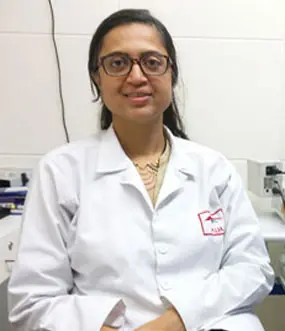
MBBS, MS (Ophthalmology), DNB · Fellowship in Cornea & Anterior Segment, L V Prasad Eye Institute, Hyderabad
Gujarat Medical Council Reg. No. G-39262
Book a consultation
2nd Floor, Vinraj Plaza, opp. Government Press, Kothi Road, Anandpura, Vadodara, Gujarat 390001
Mon - Sat, 09:00 AM - 08:00 PM · Sunday closed
Related Articles
Start with a conversation.
Appointments
+91 81400 50055