
Medically reviewed by Dr. Sachin Mungale, MS (Ophthalmology) · Glaucoma Fellowship, LVPEI · Gujarat Medical Council Reg. No. G-12281 · Reviewed on 3 October 2026
Published 30 March 2026 · Updated 30 March 2026
Glaucoma Treatment Options: A Comprehensive Guide
Glaucoma is a group of eye conditions that damage the optic nerve, which is vital for good vision. This damage is often caused by an abnormally high pressure in your eye. If left untreated, glaucoma can lead to vision loss and blindness. Fortunately, with early detection and appropriate treatment, vision loss can often be slowed or prevented. Mungale Eye Hospital is dedicated to providing comprehensive care and the latest treatment options for glaucoma patients.
Early Detection: The First Step to Preserving Vision
Early detection is crucial in managing glaucoma effectively. Regular comprehensive eye exams, especially if you have risk factors such as a family history of glaucoma, are over 40, have diabetes, high blood pressure, or have had a previous eye injury, are essential. Mungale Eye Hospital emphasizes the importance of these screenings as they can identify glaucoma in its early stages when treatment is most effective.
Understanding Glaucoma Treatment Approaches
The primary goal of glaucoma treatment is to lower eye pressure to prevent further damage to the optic nerve. Treatment strategies typically fall into three main categories: medical treatment (eye drops), laser treatment, and surgical treatment. The right approach for you will depend on the type and severity of your glaucoma, your overall health, and your individual needs. Experts at Mungale Eye Hospital will carefully assess your condition to recommend the most suitable treatment plan.
1. Medical Treatments (Eye Drops)
Glaucoma eye drops are the most common initial treatment. They work by either reducing the amount of fluid (aqueous humor) produced within the eye or by improving its outflow. This helps to lower intraocular pressure (IOP).
Often the first line of treatment for newly diagnosed glaucoma patients, especially those with mild to moderate disease. They are also used in conjunction with other treatments.
2. Laser Treatments
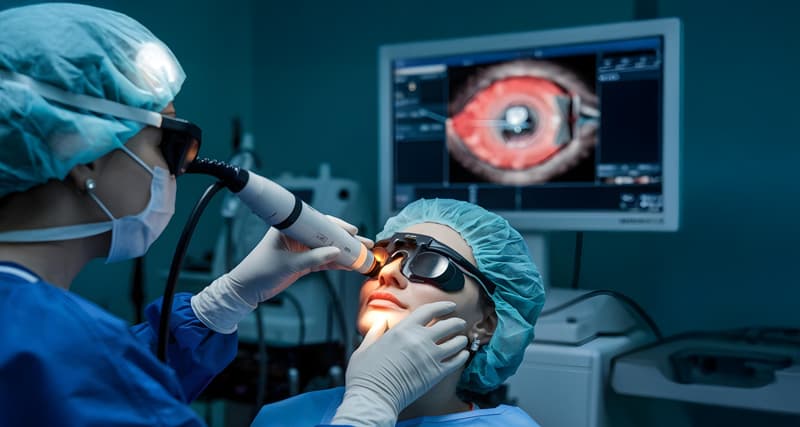
Laser treatments use a focused beam of light to either improve fluid drainage from the eye or reduce fluid production. Common laser procedures include:
Laser treatments can be an option for patients who cannot tolerate eye drops, have difficulty administering them, or whose glaucoma is not adequately controlled by medication alone. They are often recommended as a primary treatment or adjunct to medication.
3. Surgical Treatments
Glaucoma surgery creates a new drainage pathway for the fluid inside the eye to reduce pressure. The main surgical options include:
Surgery is usually considered when medications and laser treatments have not been sufficient to control eye pressure or prevent vision loss. MIGS procedures are often suitable for mild to moderate glaucoma.
In addition to medical, laser, and surgical treatments, lifestyle choices can play a supportive role in managing glaucoma. Maintaining a healthy diet, regular exercise (under guidance, as some exercises might affect eye pressure), and stress management can contribute to overall eye health. Regular communication with your eye care team at Mungale Eye Hospital about any concerns or changes in your vision is paramount.
At Mungale Eye Hospital, we understand that a glaucoma diagnosis can be concerning. Our experienced ophthalmologists are committed to providing personalized care, utilizing the most advanced diagnostic tools and treatment modalities available. We strive to support a strong outcome, preserving your vision and quality of life.
If you have concerns about glaucoma or are seeking expert eye care, please schedule a consultation with our specialists at Mungale Eye Hospital.
Frequently Asked Questions About Glaucoma Treatment Options
The primary goals of glaucoma treatment are to lower eye pressure and prevent further damage to the optic nerve. The main treatment options include:
Medications: Primarily prescription eye drops, which are often the first line of treatment.
Laser Therapy: Procedures like Selective Laser Trabeculoplasty (SLT) or laser iridotomy can help improve fluid drainage from the eye.
Surgery: Traditional surgical procedures like trabeculectomy or the implantation of glaucoma drainage devices are options when medications and laser therapy are insufficient.
Mungale Eye Hospital offers a comprehensive range of these treatments, tailored to each patient s specific needs.
The success rate of glaucoma surgery can vary depending on the type of procedure, the patient s overall eye health, and the severity of the glaucoma. Generally, glaucoma surgeries are highly effective in lowering intraocular pressure (IOP) and slowing or halting disease progression in a significant majority of patients. At Mungale Eye Hospital, our experienced surgeons strive for optimal outcomes through precise surgical techniques and careful patient selection. Regular follow-up appointments are crucial to monitor the long-term success of the surgery.
Glaucoma eye drops are generally safe, but like all medications, they can have side effects. Common side effects may include stinging or itching upon application, redness of the eye, blurred vision, and sometimes dry eyes. Less common side effects can affect heart rate, breathing, or mood. It s essential to discuss any concerns or experienced side effects with your eye care professional at Mungale Eye Hospital, as they can often adjust the medication or dosage to minimize discomfort.
Recovery time after glaucoma surgery varies. For many procedures, patients can resume normal activities within a few days to a couple of weeks. However, it s crucial to follow your surgeon s post-operative instructions carefully, which typically involve avoiding strenuous activities, heavy lifting, and rubbing the operated eye. You will likely have several follow-up appointments to monitor healing and eye pressure. The team at Mungale Eye Hospital provides detailed post-operative care plans to ensure a smooth recovery.
While lifestyle changes cannot cure glaucoma or replace medical treatment, they can play a supportive role in managing the condition and overall eye health. Some beneficial practices include:
Maintaining a healthy diet rich in antioxidants.
Exercising regularly (though certain exercises may need to be avoided if they increase eye pressure).
Managing stress.
Avoiding smoking.
Wearing UV-protective sunglasses.
Discussing these with your ophthalmologist at Mungale Eye Hospital can help integrate them safely into your glaucoma management plan.
You should consult with an ophthalmologist, a medical doctor specializing in eye care, for the diagnosis and treatment of glaucoma. Ophthalmologists are trained to perform eye exams, diagnose eye diseases, and prescribe treatment, including medications, laser therapy, and surgery. For expert glaucoma care, the specialists at Mungale Eye Hospital are dedicated to providing comprehensive diagnosis and personalized treatment plans.