
Medically reviewed by Dr. Meeta Mungale, MS (Ophthalmology), DNB · Cornea Fellowship, LVPEI · Gujarat Medical Council Reg. No. G-39262 · Reviewed on 3 October 2026
Published 23 April 2026 · Updated 23 April 2026
The Crucial Importance of Regular Eye Check-ups for Your Vision and Health
Our vision is one of our most precious senses, allowing us to experience the world in vivid detail. Yet, many people underestimate the importance of regular eye check-ups. These routine appointments are not just about getting a new prescription for glasses; they are a vital part of maintaining both your eye health and your overall well-being. Professional eye care offers a window into your body’s health that is often overlooked.
Early Detection of Serious Eye Diseases
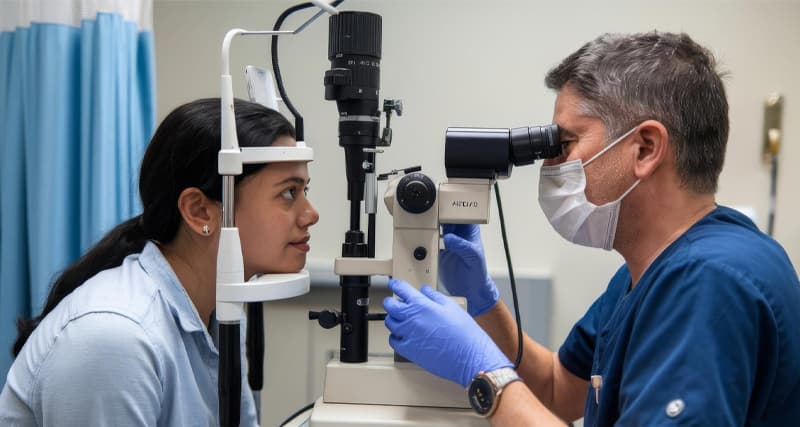
Many serious eye conditions, such as glaucoma, diabetic retinopathy, and macular degeneration, can develop silently with no noticeable symptoms in their early stages. Regular comprehensive eye exams conducted by an optometrist or ophthalmologist are crucial for detecting these diseases early. Early detection often means more effective treatment, which can prevent significant vision loss or even blindness. During an eye exam, your eye doctor can identify subtle changes in your eye’s structure and function that might indicate an underlying problem long before you experience any discomfort or vision changes.
Ensuring Optimal Vision Correction
Our vision needs can change over time due to aging, lifestyle, or other factors. Regular eye check-ups ensure that your prescription for glasses or contact lenses is up-to-date. Wearing an incorrect prescription can lead to blurred vision, headaches, and eye strain, impacting your daily activities, work, and quality of life. A professional eye exam will accurately assess your visual acuity and refractive errors, ensuring you see the world as clearly as possible.
Preventing and Managing Eye Strain
In today’s digital age, prolonged screen time is common, leading to digital eye strain. Symptoms can include dry eyes, headaches, blurred vision, and neck pain. Eye care professionals can diagnose the causes of eye strain and recommend solutions. This might involve specific lens designs, eye exercises, changes in your workspace ergonomics, or advice on managing screen time. Addressing eye strain proactively can significantly improve comfort and productivity.
Monitoring Overall Health
Your eyes can offer clues about your general health. An eye exam allows your doctor to see blood vessels, nerves, and other tissues at the back of your eye. Changes in these areas can indicate systemic health issues such as diabetes, high blood pressure, autoimmune diseases, and even certain types of cancer. Regular eye check-ups, therefore, serve as a valuable tool for comprehensive health monitoring, potentially leading to early diagnosis and treatment of conditions affecting your entire body.
The Importance of Professional Eye Care
While over-the-counter solutions or quick vision screenings might seem convenient, they cannot replace a comprehensive eye examination. A professional eye check-up involves a thorough assessment of your vision, eye health, and how your eyes function together. This detailed evaluation is essential for maintaining healthy vision throughout your life and detecting potential health issues.
For trusted and comprehensive eye care, Mungale Eye Hospital is your premier choice. Schedule your next eye check-up with their experienced team to safeguard your vision and overall health.
The Power of Early Detection in Preserving Sight
Regular eye check-ups are a critical first line of defense against irreversible vision loss. Catching potential issues early at Mungale Eye Hospital allows for timely intervention, significantly increasing the chances of preserving sight for a lifetime.
Frequently Asked Questions About Regular Eye Check-ups
The frequency of eye check-ups can vary depending on your age, overall health, and family history of eye conditions. As a general guideline, adults should have a comprehensive eye exam every one to two years. Children and individuals with certain risk factors may require more frequent visits. Mungale Eye Hospital can provide personalized recommendations for your eye care needs.
A comprehensive eye exam at Mungale Eye Hospital typically includes several tests to evaluate your vision and eye health. This may involve checking your visual acuity (how clearly you see), assessing your eye alignment, testing your peripheral vision, checking your eye pressure for glaucoma, and a thorough examination of the front and back of your eyes, including the retina and optic nerve.
No, eye exams are generally not painful. They are non-invasive procedures designed to be comfortable. You might experience a brief, mild sensation during certain tests, like a puff of air for the intraocular pressure test, but this is usually momentary and not painful. The primary goal of Mungale Eye Hospital s eye exams is to ensure your comfort and provide accurate results.
Regular eye check-ups are crucial for maintaining good vision and detecting eye diseases in their early stages, often before you notice any symptoms. Many serious eye conditions, such as glaucoma, age-related macular degeneration, and diabetic retinopathy, can lead to irreversible vision loss if not treated promptly. Mungale Eye Hospital emphasizes the importance of these regular visits for preserving your sight.