
Medically reviewed by Dr. Sachin Mungale, MS (Ophthalmology) · Glaucoma Fellowship, LVPEI · Gujarat Medical Council Reg. No. G-12281 and Dr. Meeta Mungale, MS (Ophthalmology), DNB · Cornea Fellowship, LVPEI · Gujarat Medical Council Reg. No. G-39262 · Reviewed on 3 October 2026
Published 12 November 2025 · Updated 12 November 2025
Ignore small eye problems. Rub them. Splash water. Move on.
When Should You See an Eye Doctor? Then one fine day, the board at school looks hazy, or the newspaper letters dance, or the headlights at night feel too bright.
That’s when people finally start searching, “eye doctor near me.”
If that sounds like you, don’t worry, you’re not alone. At Mungale Eye Hospital in Vadodara, we meet people every day who have waited a bit too long. Most of the time, it’s fixable. The key is simply not waiting.
When Should You See an Eye Doctor?
Your Eyes Work Harder Than You Think
From morning till bedtime, your eyes never really rest. Phones, computers, TV, cooking steam, traffic dust, they handle it all silently. But the truth is, they do get tired.
In cities like Vadodara and even nearby areas across Gujarat, Maharashtra, Madhya Pradesh, and Rajasthan, we’re seeing more people with screen-related problems, allergies, and early vision changes. Most eye issues start small. The problem is, they don’t always hurt so people think it’s fine. That’s where regular eye check-ups help.
Eye Hospital Care in Vadodara: A Complete Guide
1. Blurred or Tired Eyes (Refractive Errors) When your eyes can’t focus properly, it could be near-sightedness, long-sightedness, or astigmatism. If you’re holding your phone far away to read or feeling pressure behind the eyes, that’s your sign. Glasses or contact lenses usually fix it, and sometimes laser surgery (LASIK) works great too.
2. Cataract We see this mostly in older adults, but even younger ones aren’t spared anymore. If lights look foggy, colours dull, or faces unclear, it could be a cataract. It’s simple to treat a 10–15 minute surgery, and you’re back to your routine in a day or two. At our hospital, we use modern lenses that give clear, natural vision again.
3. Glaucoma (The Silent One) This one’s sneaky. It slowly damages the optic nerve without pain. Many realise it only when side vision starts disappearing. If you’re above 40, diabetic, or someone in your family has it please get your eyes tested once a year. We manage glaucoma with medicines, lasers, or procedures like GATT or AGV, depending on how early it’s caught.
4. Corneal Issues The cornea is the clear front cover of your eye. Infections, injuries, or a condition called keratoconus can affect it. If you often wake up with redness, watering, or light sensitivity, don’t delay — see a cornea specialist. Sometimes it heals with drops; sometimes it needs a corneal transplant.
5. Diabetes and the Eyes If you’re diabetic, your eyes need extra attention. High sugar affects the retina, the part that sends signals to your brain. You may see dark spots or blurred patches. Sometimes you won’t notice anything until damage is done. A simple retinal check once a year can prevent blindness.
6. Dryness and Screen Fatigue This is now the most common complaint. Air-conditioning, phones, and long work hours all of it dries out the natural tear layer. You’ll feel burning, itching, or watery eyes. Blink more often, stay hydrated, and if it continues, come for a check-up. There are easy fixes.
When Should You Not Wait Anymore?
Come see a doctor if:
Don’t wait for things to get worse. A quick visit can save years of discomfort.
How to Find the Right Eye Doctor
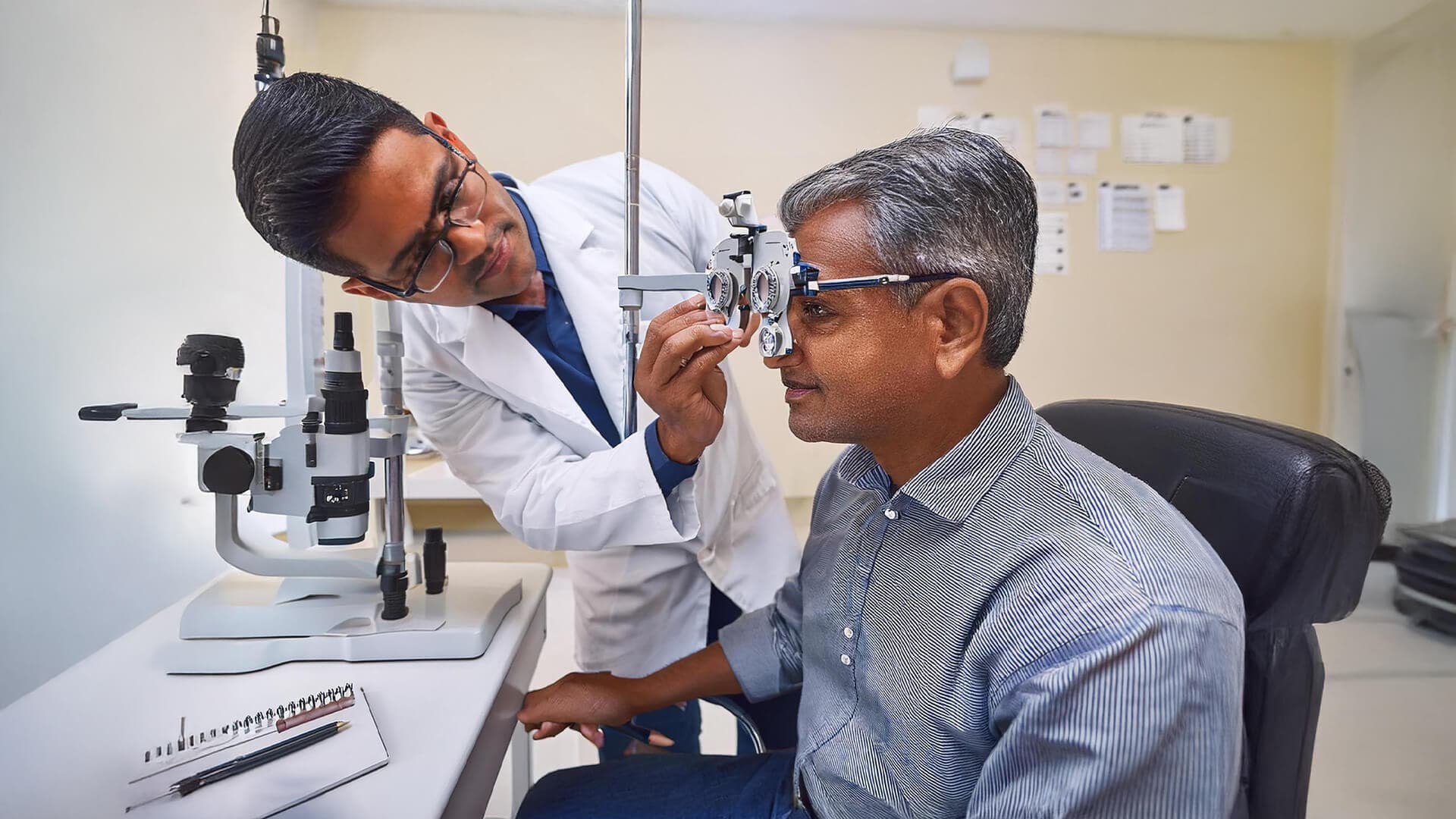
When you look for an eye specialist near you, trust matters more than anything. Choose someone who listens, explains, and doesn’t rush. A good clinic will have proper machines for eye pressure checks, retinal scans, and lens tests.
At Mungale Eye Hospital, we try to keep things simple.
Dr. Sachin handles glaucoma and advanced surgeries, while Dr. Meeta looks after corneal and general eye care.
Most of our patients come from Vadodara, but also from nearby states, not because we’re fancy, but because we focus on clarity, honesty, and comfort.
People Often Ask Us
Once a year. If you have diabetes or you’re over 40, every six months.
Yes, especially with screens and online classes. Early checks help a lot.
No. It’s quick, safe, and usually done under local anaesthesia.
It’s often dryness or an allergy. Easy to treat once we find the cause.
Not all. But for the right person, it’s life-changing.
Before You Go Your eyes quietly tell you everything — you have to listen early. If something feels off, don’t Google for weeks. Just drop in for a check-up. Whether you need a quick exam, cataract surgery, or glaucoma care, we’re here in Vadodara, ready to help.